


The People Factor 2026: Leading forward with people, performance and possibility

Published 1 October 2026 | 13 min read

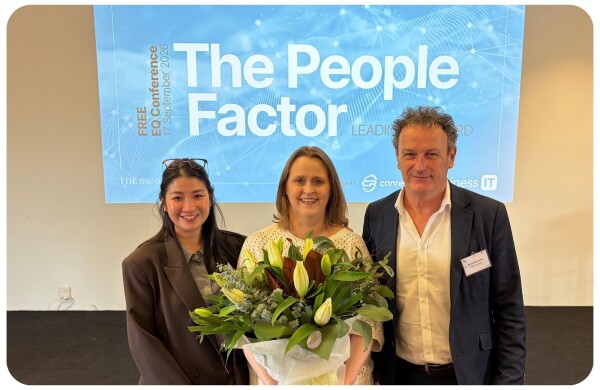
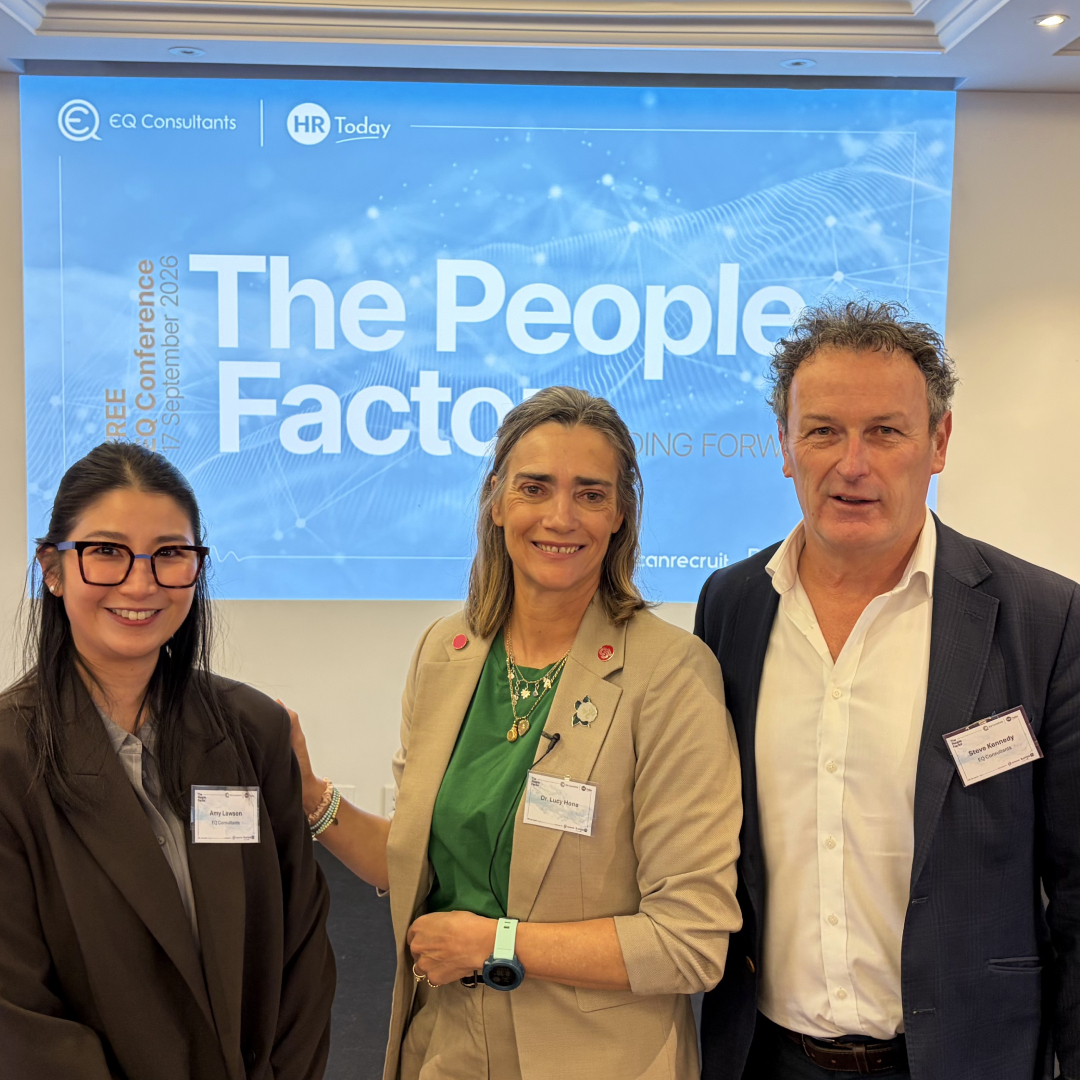
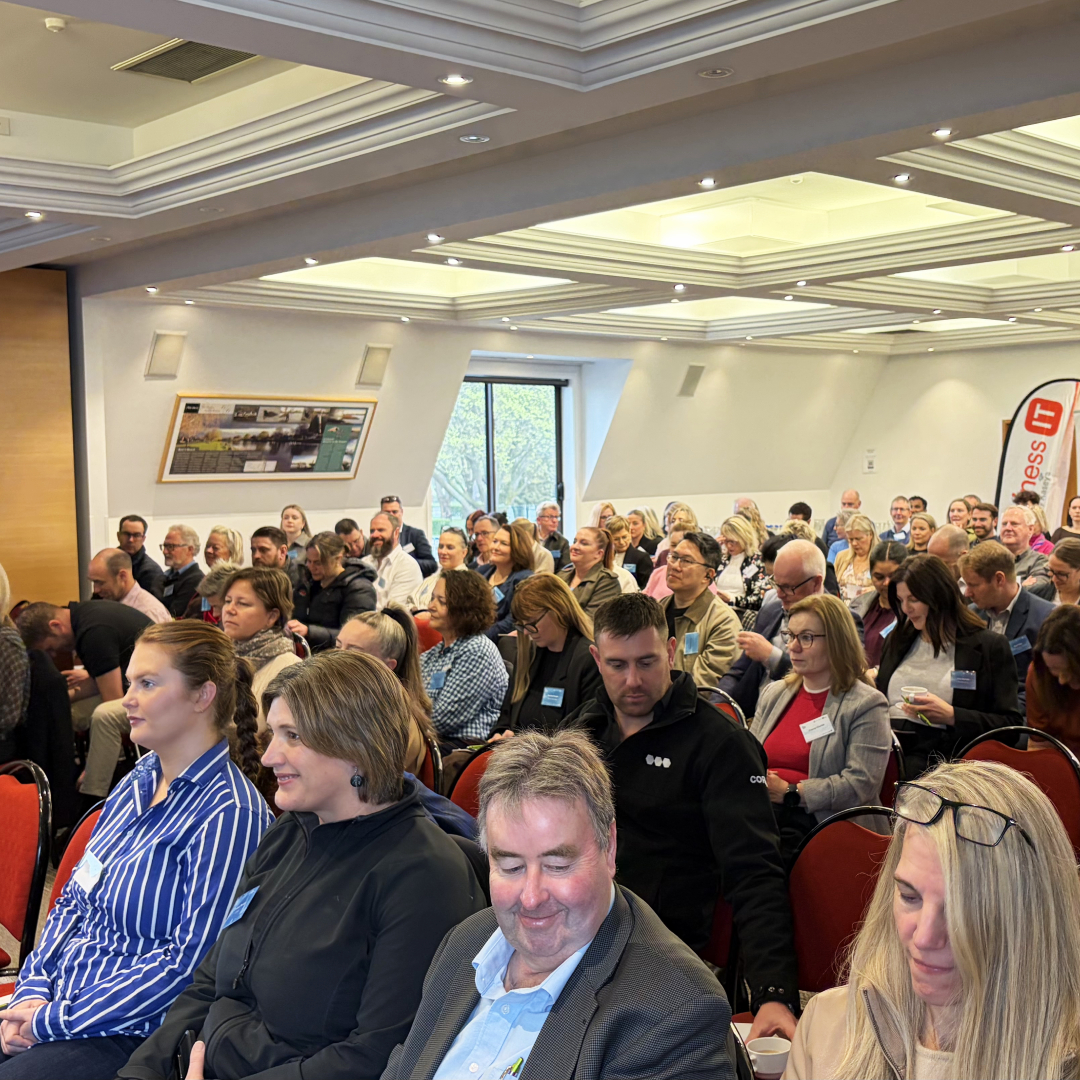
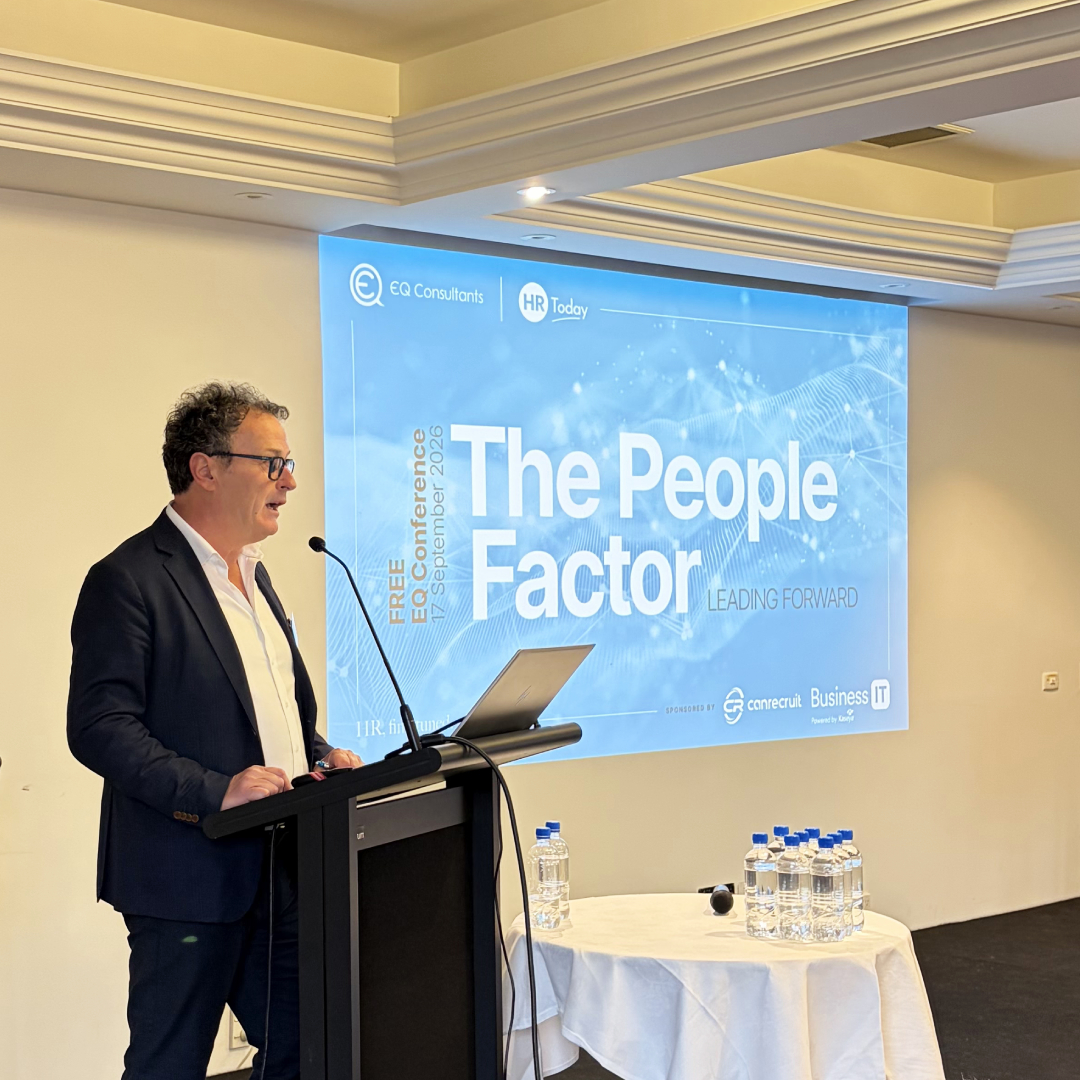
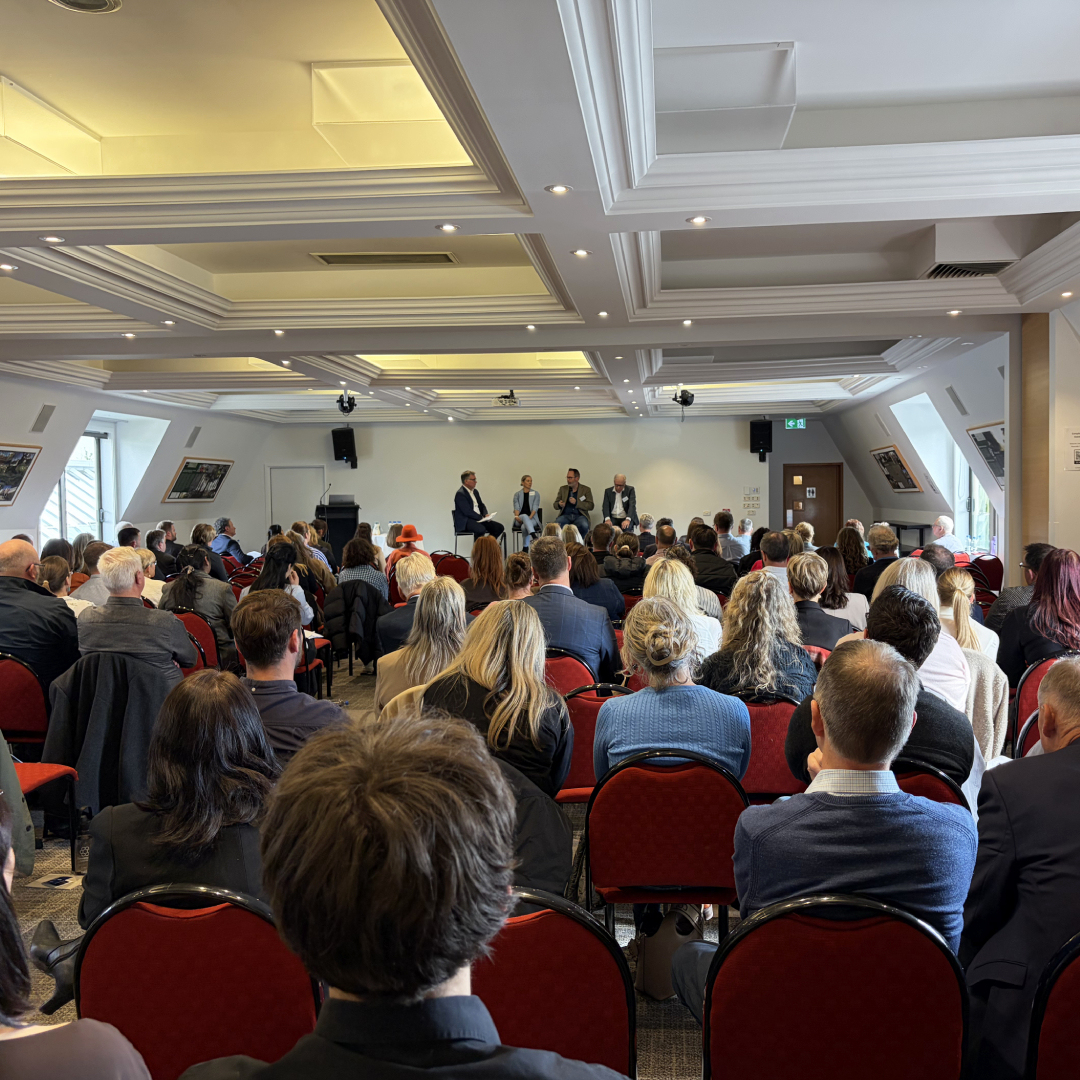
On 17 September, leaders from across Canterbury and beyond joined us at the Commodore Airport Hotel in Christchurch for a full day of big ideas, real stories and practical takeaways at EQ Consultants' second annual leadership conference.


The idea behind The People Factor is relatively simple. Through our work with businesses across New Zealand, we get a close-up view of the challenges leaders are dealing with - but also the opportunities ahead. We wanted to bring business leaders and experts together to look beyond today's pressures and have a practical conversation about what comes next.

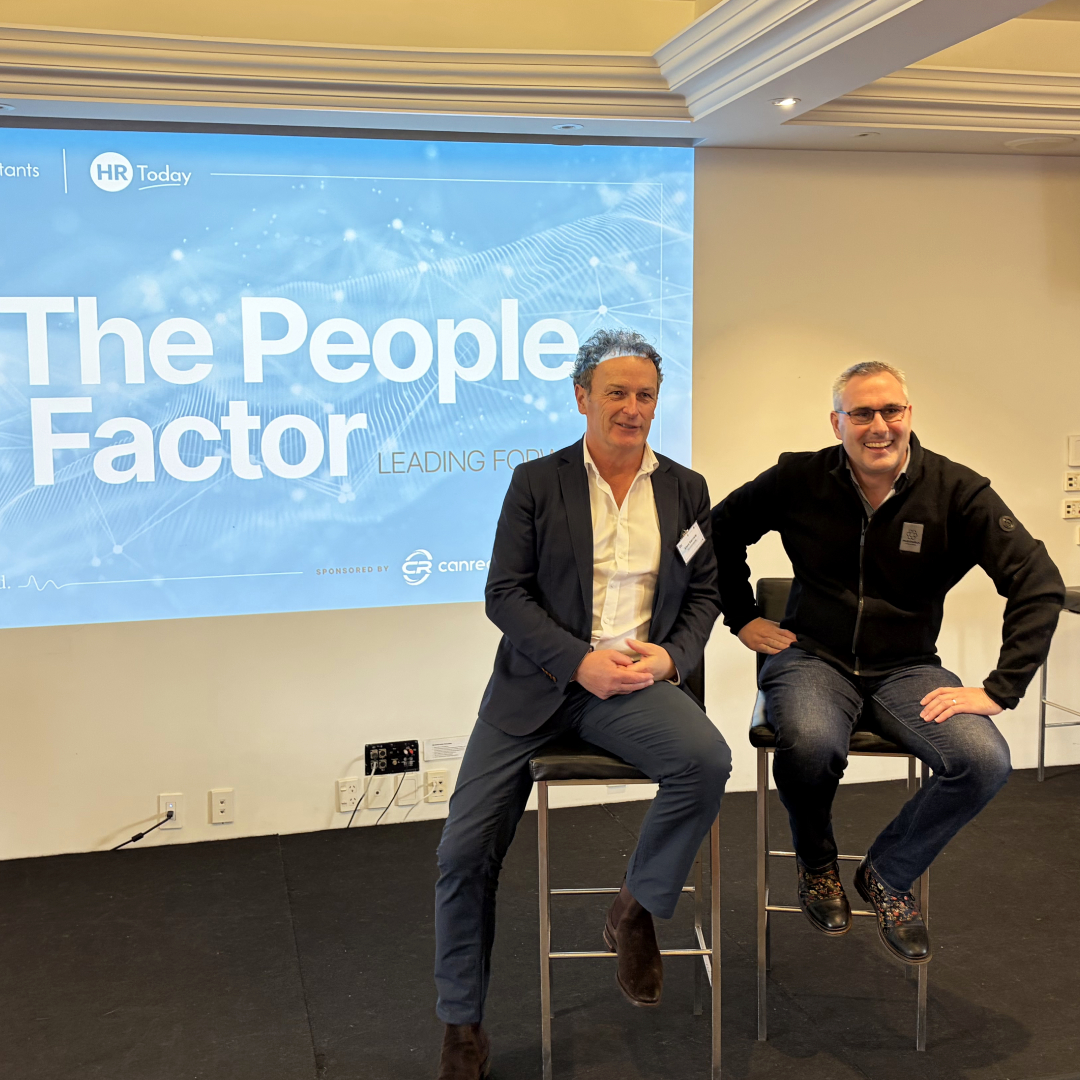
EQ Consultants Managing Director Steve Kennedy opened the conference and set up the day to look forward, not dwell on what's difficult. From resilience and AI to employment law, culture and courage, here's what we heard and what we're taking back to work.


Resilience is a skill, and you can build it

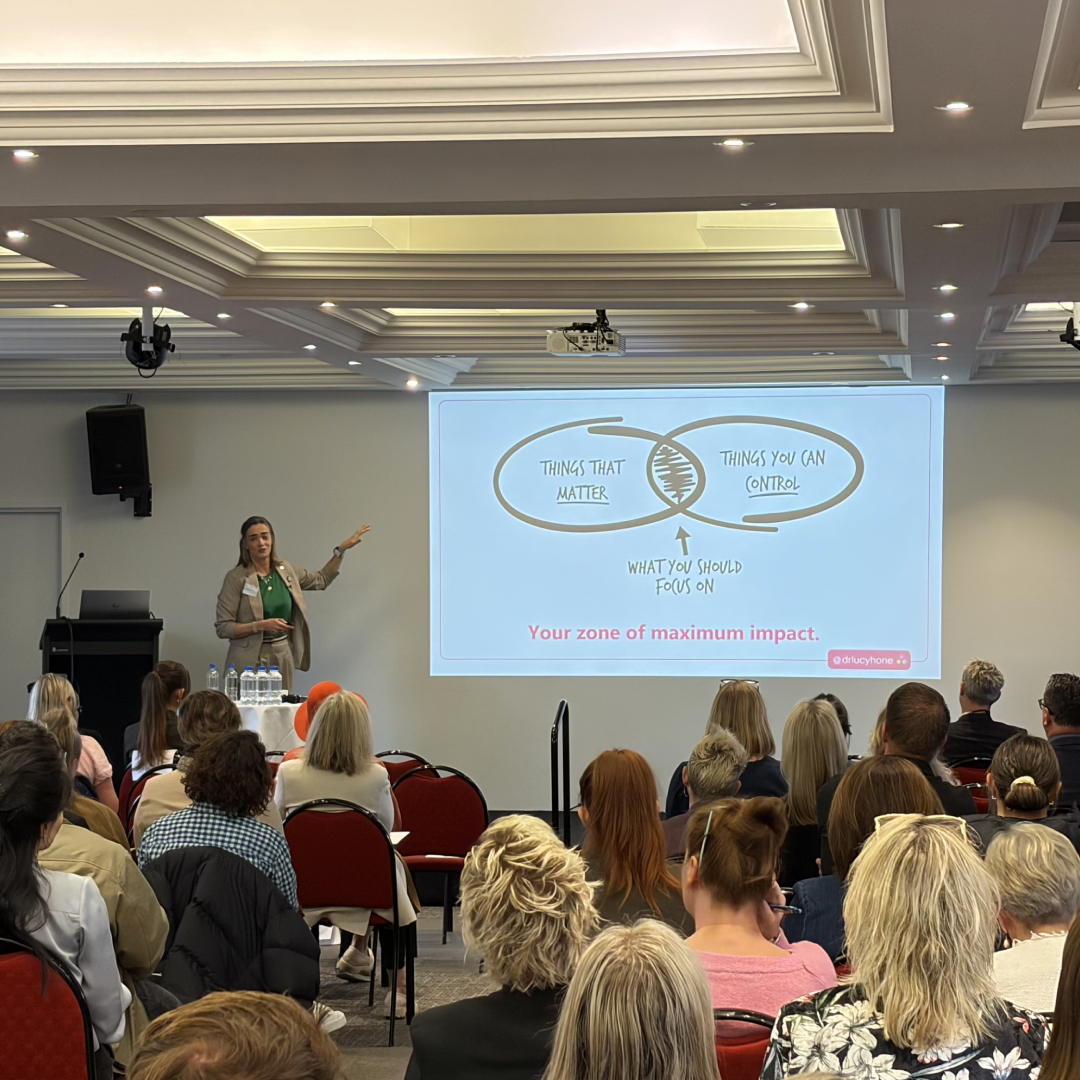
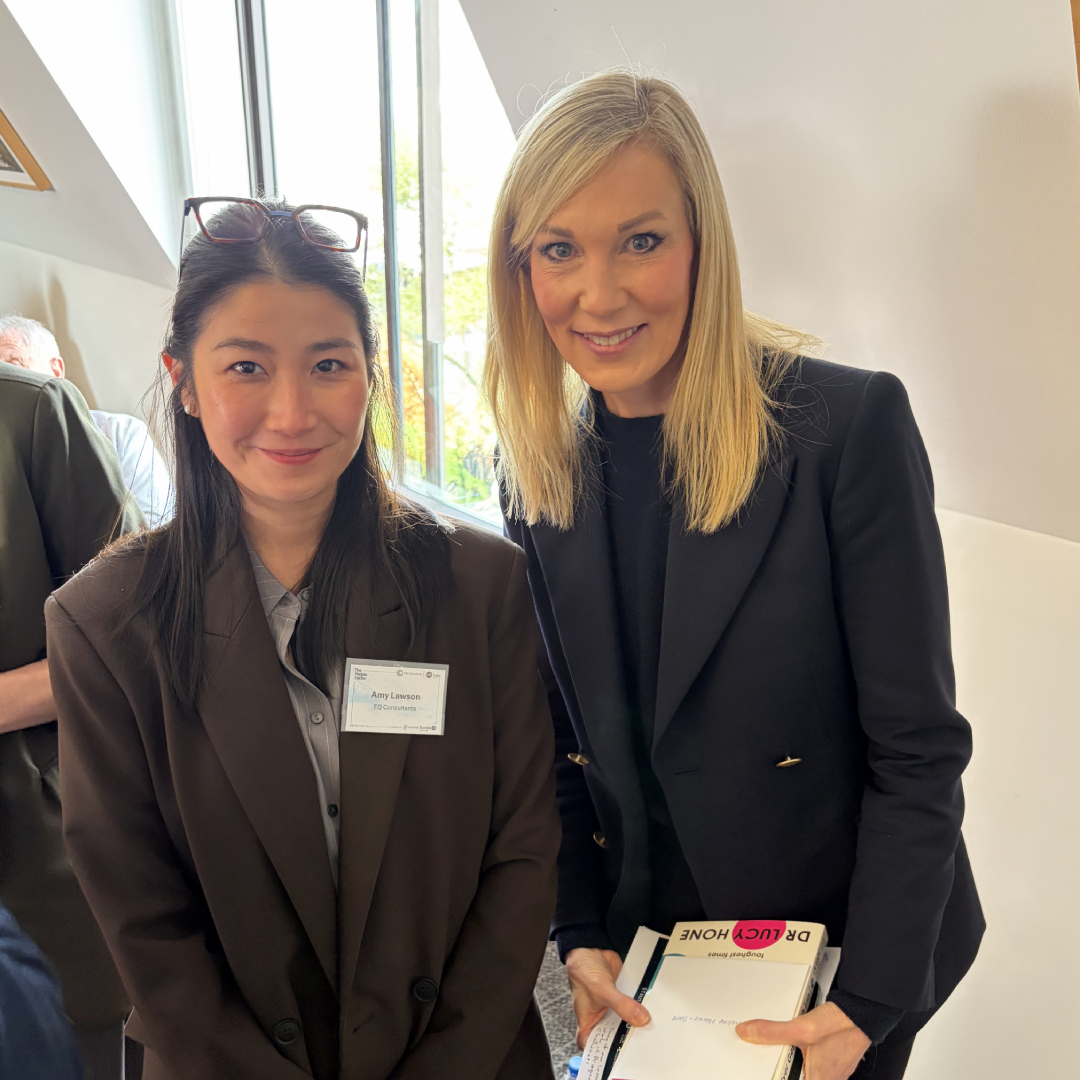
Dr Lucy Hone, resilience researcher, bestselling author and the voice behind one of TED's most-watched talks, opened the day by asking the room to stand if they had lived through loss, illness, a natural disaster, redundancy or a pandemic. Within moments, almost everyone was on their feet.

"Adversity doesn't discriminate," she said. "Given you are alive, you have already had to, and possibly will again, deal with some tough times."

Drawing on 17 years of research, and on her own family's experience of loss, Lucy made the case that resilience isn't an inherited trait some people have and others don't. It's a learnable skill. She also asked us to retire the phrase "bouncing back", because we don't go back. We learn, adapt and change.

Her approach rests on three strategies. The first is accepting reality, including the fact that we are working in a volatile, uncertain, complex and fast-moving world. "Even though we cannot control the circumstances of our lives, there is always an element of control around how we respond."

The second is being ruthless with your attention. "Your attention is your greatest asset, and everybody is vying for it," she said. Her practical tip: twice a week, do a full brain dump of everything on your plate, then pick a manageable handful of things that, if done, will make you feel you've prevailed. Feeling effective, she explained, is one of our best protections against burnout.

The third is a simple question to check your behaviour in the moment: is what I'm doing right now helping me or harming me?

Lucy also shared her "real, not perfect" reset for moments when things go wrong: "I'm real, not perfect. Everybody struggles and suffers and stuffs up. What do I need to do to be kind to myself right now, to get through this moment?" Research shows three quarters of us are kinder to others than to ourselves, and dialling back that inner critic leads to better, not poorer, performance.

The workplace of tomorrow is already here

Moderator Shane Heenan, CEO of Formthotics, described himself as a believer in "applied futurism": the idea that the best way to understand what's coming is to listen to what businesses are experiencing right now. His panel brought together Daniel Allin (General Manager, Go Wireless NZ), David Broderick (Managing Director, Metalworld), Melanie Brooks (Chief Executive Officer, Hazlett Christchurch) and Mike Killick (CEO and Director, Triple0 Medical).

Several themes came through clearly. One was the value of an experienced, older workforce, and the opportunity to keep those people engaged through flexibility and honest conversations about what they want from the next stage of their careers. Melanie put it simply: "If you don't ask, you're not even going to find out, and assumption is just such a killer." She was equally clear on what technology can't replace: "Nothing will replace that face to face."

Another was getting the fundamentals right before reaching for automation. Mike described going back to first principles on Triple0 Medical's systems and processes, because automations had been layered on top of processes nobody fully understood.

On AI, Daniel shared Go Wireless NZ's approach: "We're very focused on not replacing employees with AI but automating those repetitive tasks and looking for opportunities to rehome those people into other areas."

David spoke candidly about culture and wellbeing, from introducing a clear code of conduct at Metalworld so everyone knows what good looks like, to managing compassion fatigue in the SPCA workforce, where he chairs the board, by recognising people for the difference they make every day. The common thread was that the workplace of tomorrow is not simply about technology. It is about combining better technology with clear expectations, flexibility, strong relationships and workplaces where people feel they belong.

AI: from activity to real capability

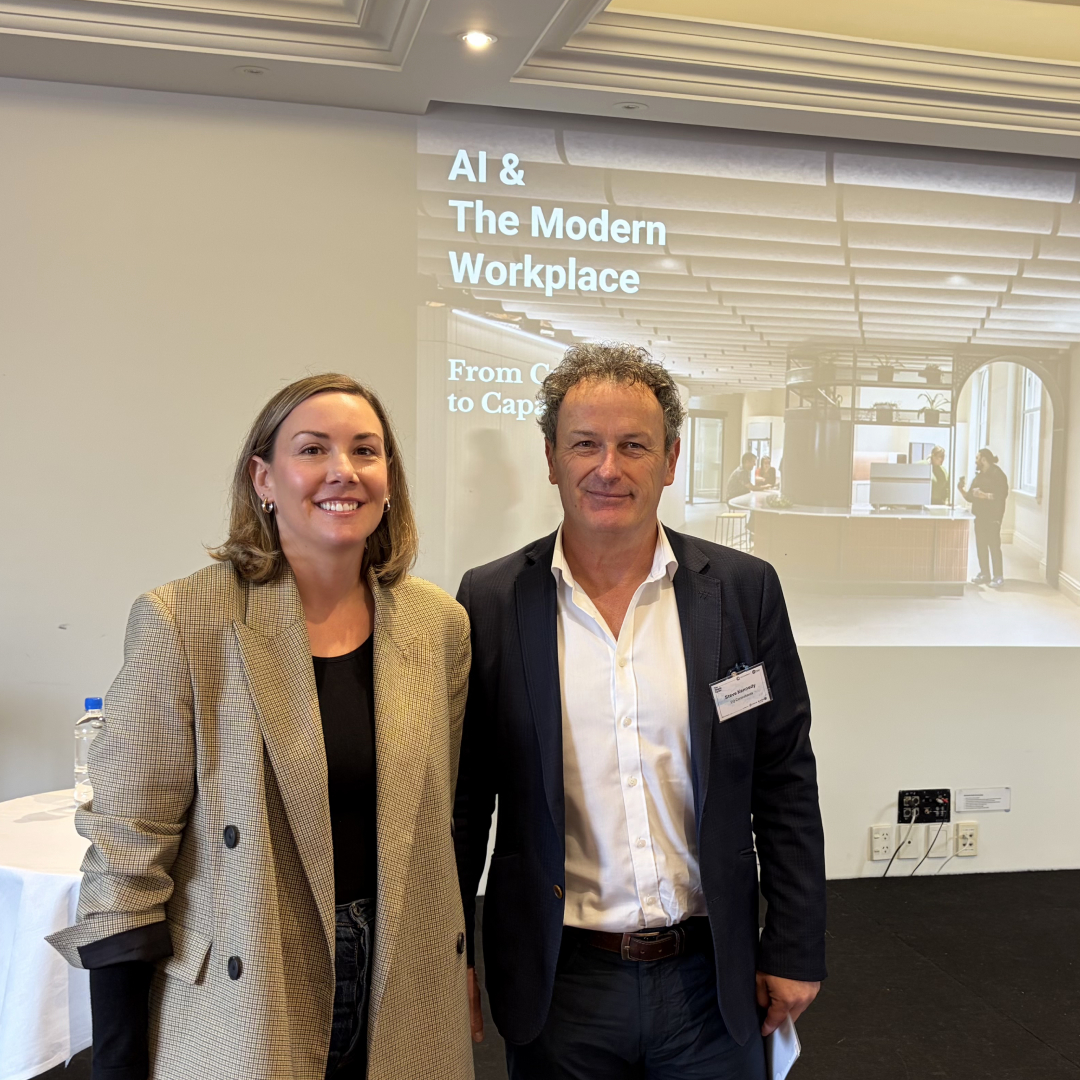
Digital transformation specialist Jess Astor's session on AI and the modern workplace offered one of the most quotable lines of the day. "Activity is not the same as adoption, and adoption is not the same as capability," she said. Plenty of organisations are experimenting with AI tools, but growing capability is what ultimately creates value.

Having worked through several waves of technology change, Jess was clear about where the real work lies. "Getting the new technology to work is hardly the hardest part. Getting people to change how they work alongside it is where the challenge really is."

She encouraged leaders to stop hunting for "AI use cases" and start redesigning the processes that are slow, expensive or frustrating. Her warning was memorable: "Do not automate what is already a very bad process."

Jess shared six leadership principles for AI-driven change: anchor on value, lead visibly, design with people, redesign the work, build structural capability, and measure and reinforce. On designing with people, she noted that "the people closest to the work always understand the friction better than anyone else", and that people are far more likely to support a new way of working when they've helped create it.

Her closing thought was reassuring: AI is different, but transformation isn't. The organisations that thrive will be the ones that align their leaders, prepare their people and redesign their processes, just as they have through every major shift before.

Cyber security starts with people

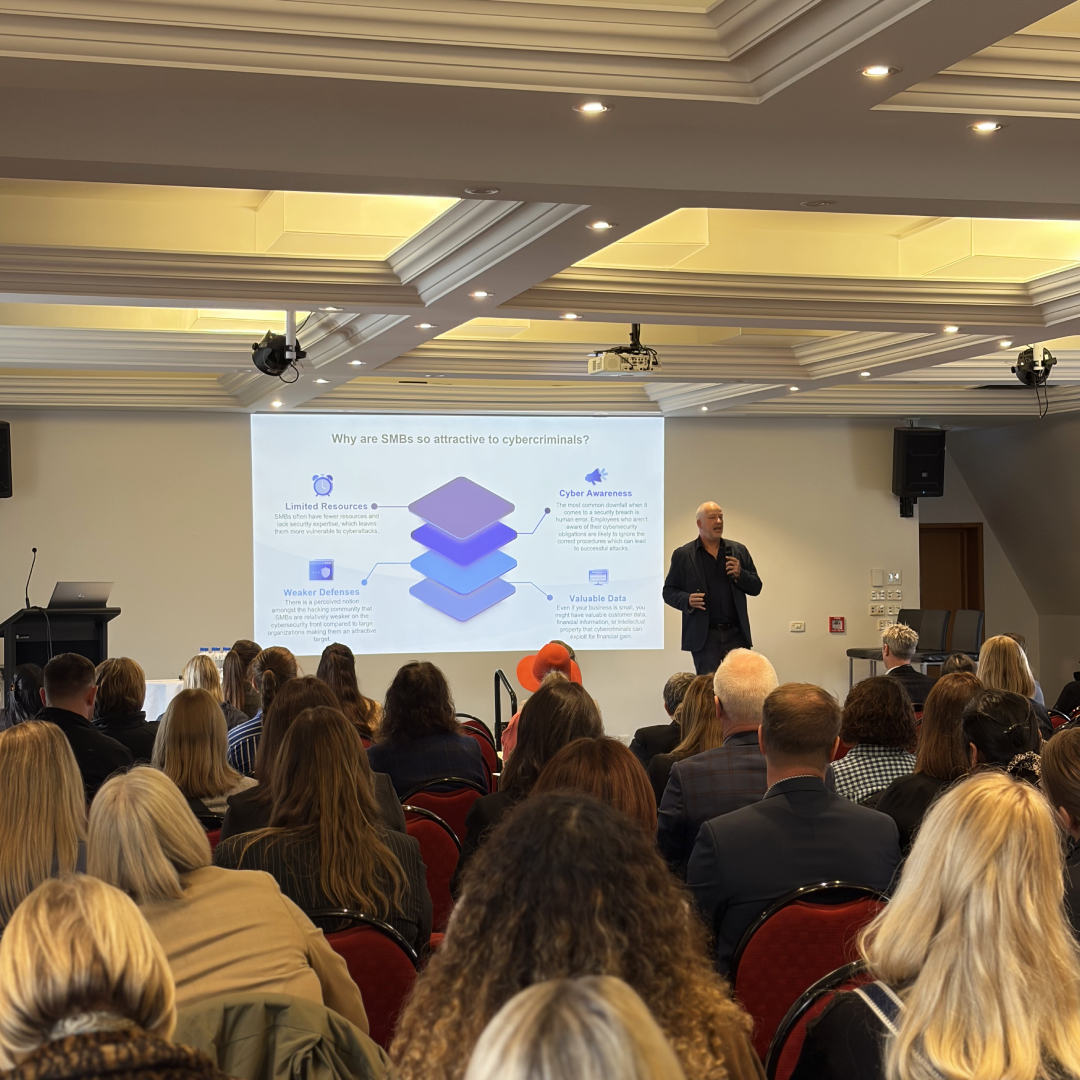
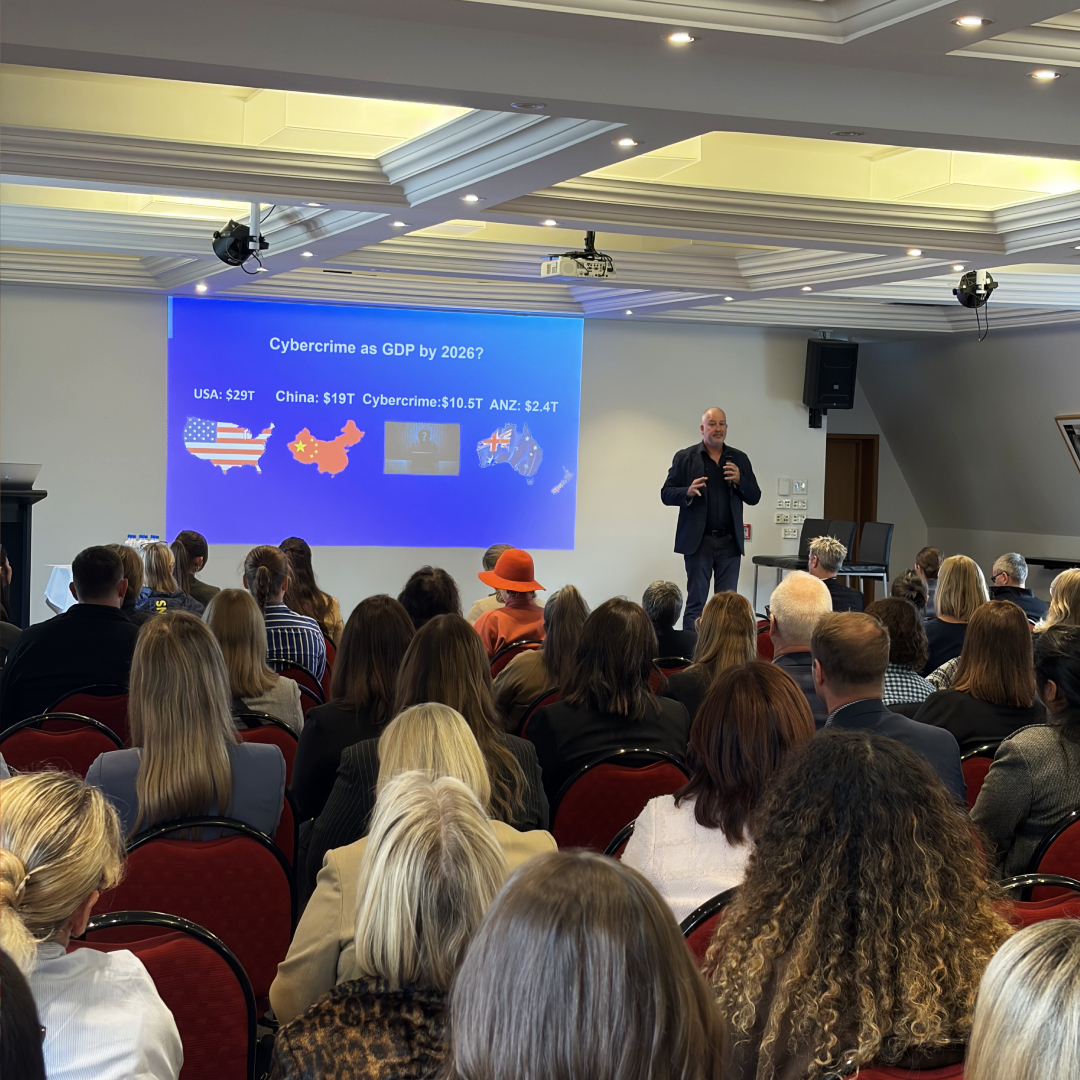
Paul Barge, Cybersecurity and Channel Development Leader at Kaseya, brings 40 years of experience in technology and security, and he put the scale of cybercrime into perspective straight away: "If cybercrime was a GDP, it would be the third biggest economy in the world."

He explained how AI has turned cybercrime into a professional industry, with criminal groups running sales targets and even "customer support". Paul told the audience that small and medium businesses are now the main focus, with 73% of attacks targeting smaller organisations, and that AI can now mimic a voice from just three seconds of audio.

The encouraging part is that some of the most effective protections are simple and within everyone's reach. "People are the number one attack vector," Paul said, which also means well-trained people are one of your strongest defences. His practical priorities included switching on multi-factor authentication (MFA) for every important account, verifying any request to move money through a known, trusted phone number, and running regular, up-to-date training so that your team can spot a convincing fake. He also pointed to SMB1001, an emerging certification framework in Australia and New Zealand that helps smaller businesses demonstrate their security posture to partners.

What high-performing organisations do differently

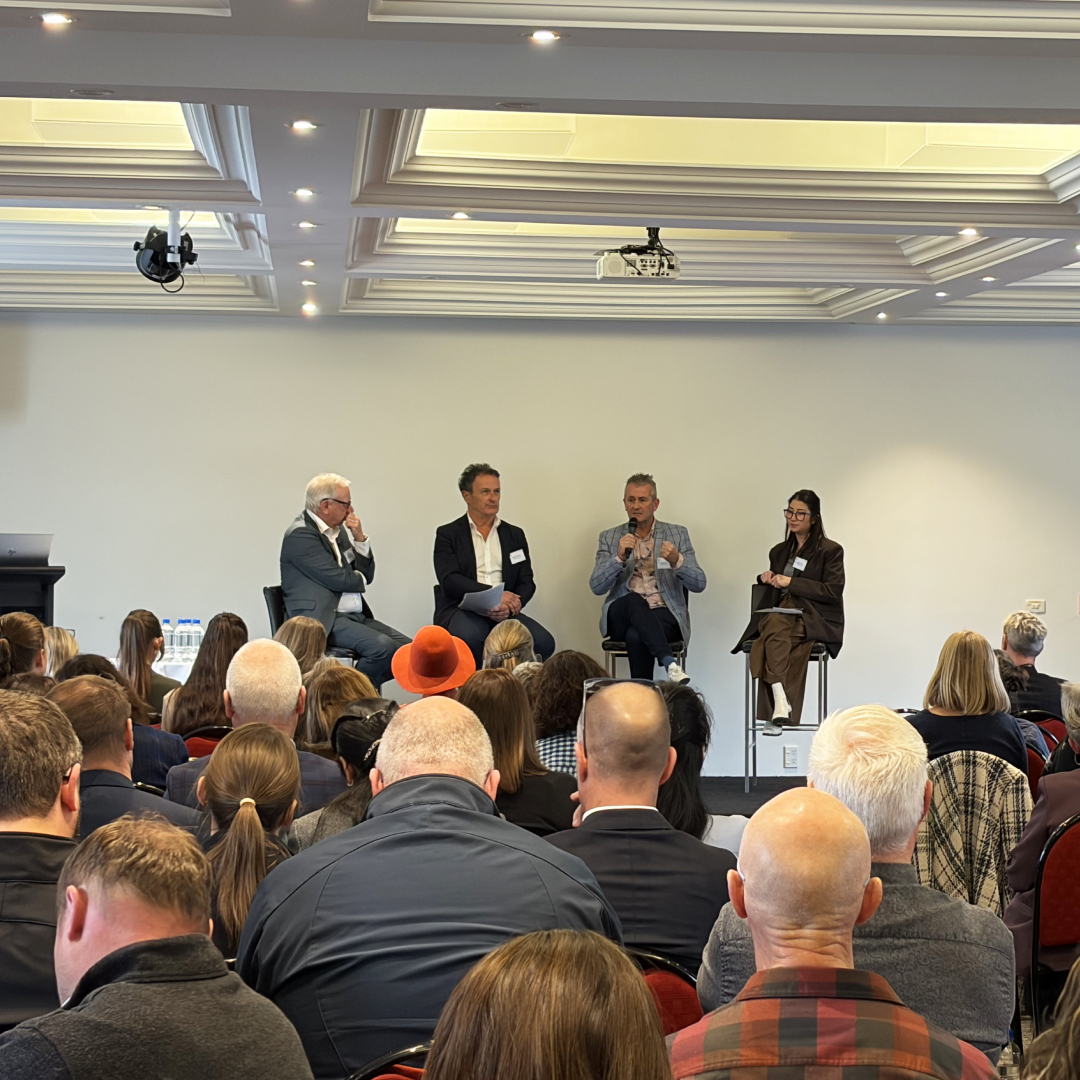
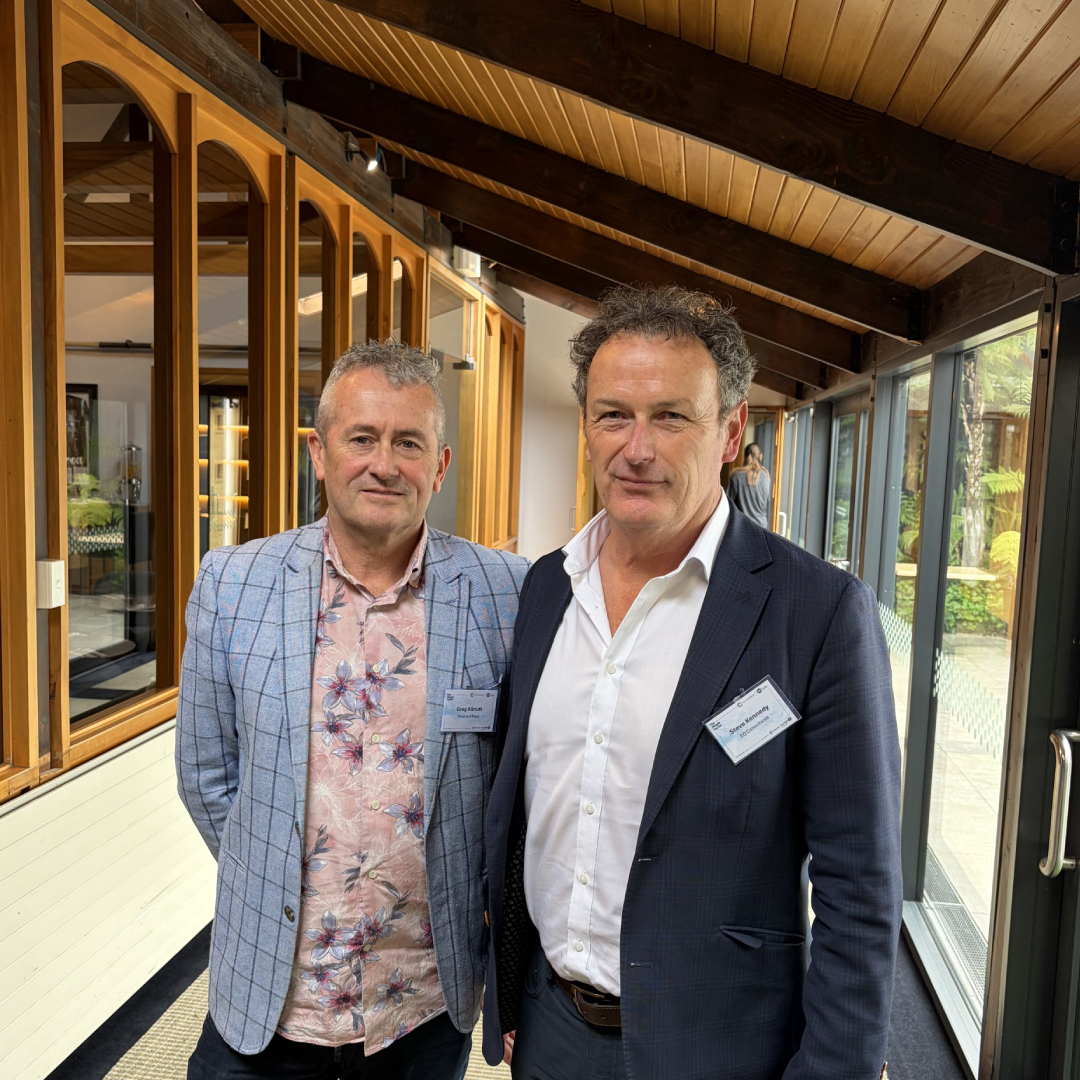
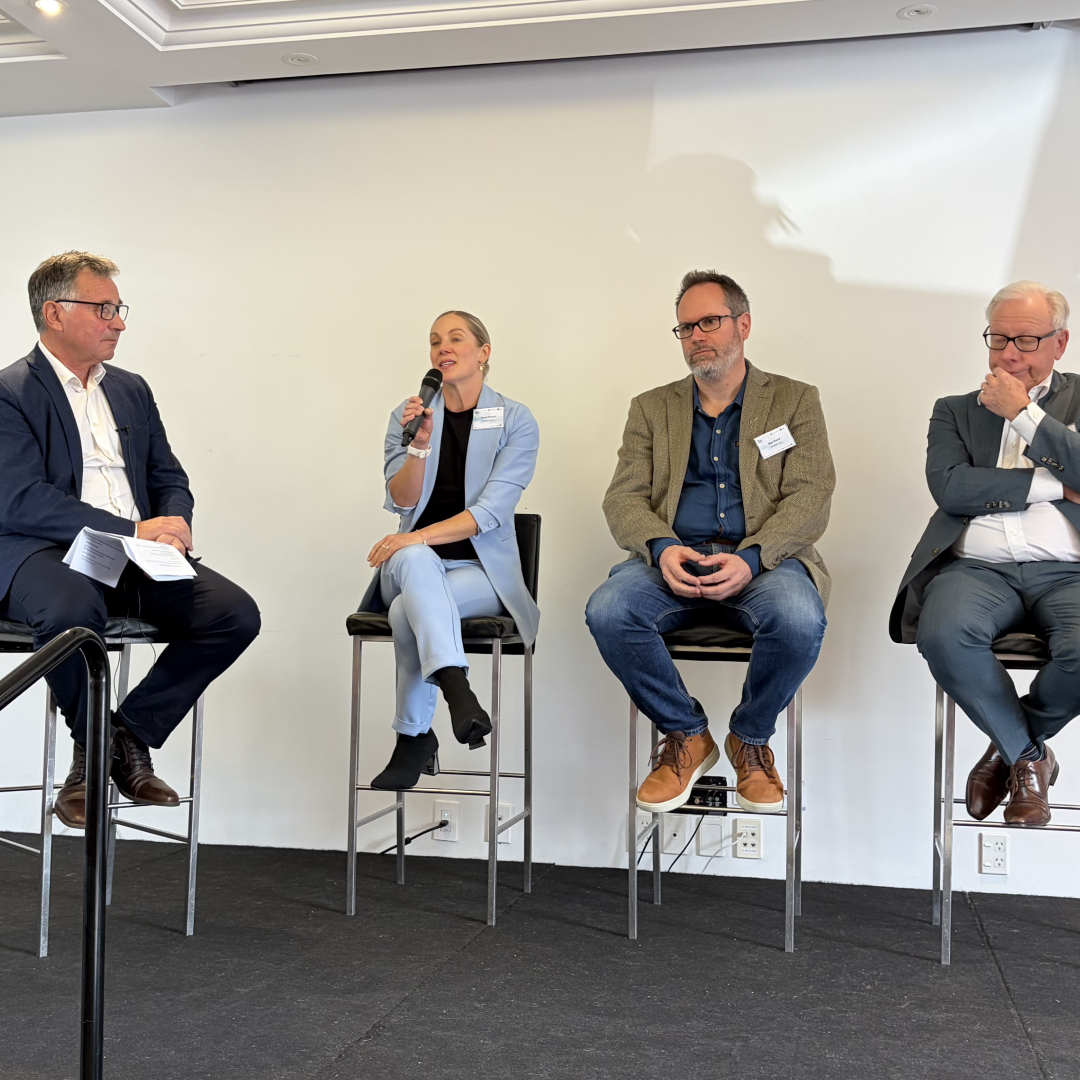
Moderated by independent director Bruce Irvine, this panel brought together Greg Allnutt, Managing Partner and Strategic Advisor at Pivot and Pace, with EQ's own Amy Lawson, HR Consulting Manager and Director, and Steve Kennedy to unpack what separates high-performing organisations from the rest.

Greg didn't hold back. "The culture is based on what the leader will deal with, and what they won't deal with," he said, before asking the room to picture the lowest performer in their business. That person, he explained, sets the tone for what is acceptable. "The biggest disappointment for good people is poor performance not being dealt with."

He also reminded leaders that growth changes the game. "What got you here, either as an individual leader or as an organisation, are not the skills and requirements that will get you to the next level." For strategic leaders, he added, the most important skill is the ability to navigate ambiguity, and to be comfortable saying, "We're doing things we've never done. Can you help me solve it?"

Amy picked up that thread, drawing on Lucy Hone's session. "A lot of times people look to the leaders for answers, but in a high-performing organisation, the leaders know that they don't have those answers, and the answers sometimes come from the people." She described how fast-growing businesses often rely on one or two people who hold "all the keys to all the doors", and why clear structures, job descriptions and decision-making responsibilities matter as organisations scale.

On AI, Amy's view was that high-performing organisations "don't just implement technology, they create the environment for people to be able to work their magic." She also raised an important question about managers, who are often promoted for their technical skills and then expected to lead change, build trust and support wellbeing while still juggling their operational roles.

Steve closed the session with a reminder that leaders do not need to have all the answers, but they do need the right people around them. Leadership can feel lonely, and events like this matter because they connect people facing similar challenges. "Surround yourself with people that you can talk to that are all experiencing the same things."

Employment law: what's changed, and what's coming

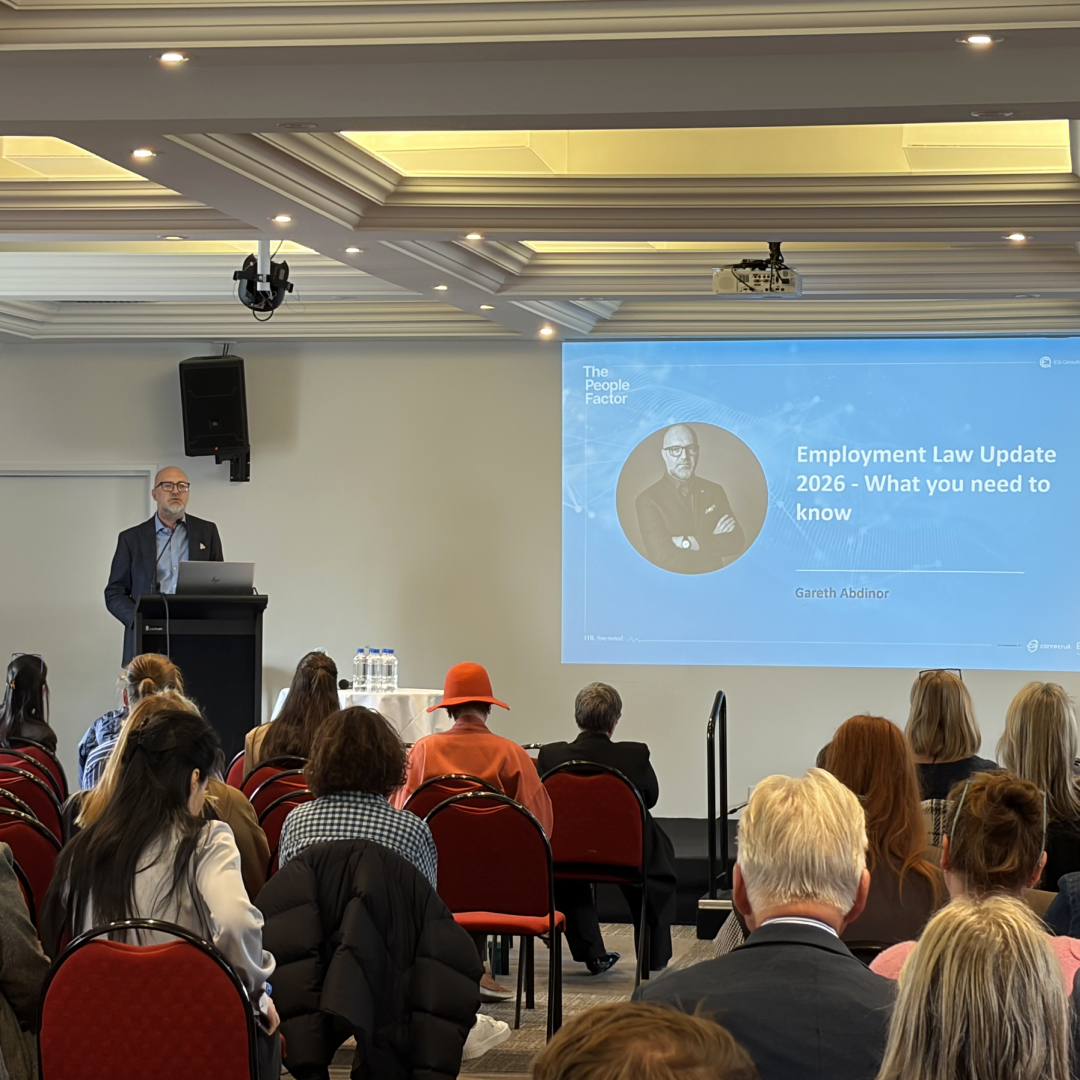
Gareth Abdinor, Employment Lawyer at Abdinor Employment Law, walked through recent changes and developments affecting New Zealand employers. The points below reflect the conference discussion and should be read in that context:

  • The high-income threshold. Employees earning over $200,000 a year can no longer raise personal grievances for unjustified dismissal, although other claims remain available. Gareth suggested employers consider clear exit provisions in agreements for high earners.
  • The contractor gateway test. A new five-step test offers more certainty about contractor status, though some steps may be difficult for many businesses to meet in practice.
  • Contributory conduct. Remedies can now be reduced where an employee's own behaviour contributed to the situation, making well-drafted employment agreements more important than ever.
  • The Holidays Act. "Finally, we're going to have a Holidays Act that deals with leave in hours, not weeks."

Gareth then turned to AI, noting that job losses linked to automation are already happening in New Zealand. "It's here, it's now, this week." He urged employers to find out which AI tools their people are actually using, and to think carefully about where confidential information ends up. "Do you actually know where that information is going? Is it a closed loop? And how confident are you that the loop is closed?" His advice: audit current use, put clear AI and privacy policies in place, and review employment agreements.

Growth through people

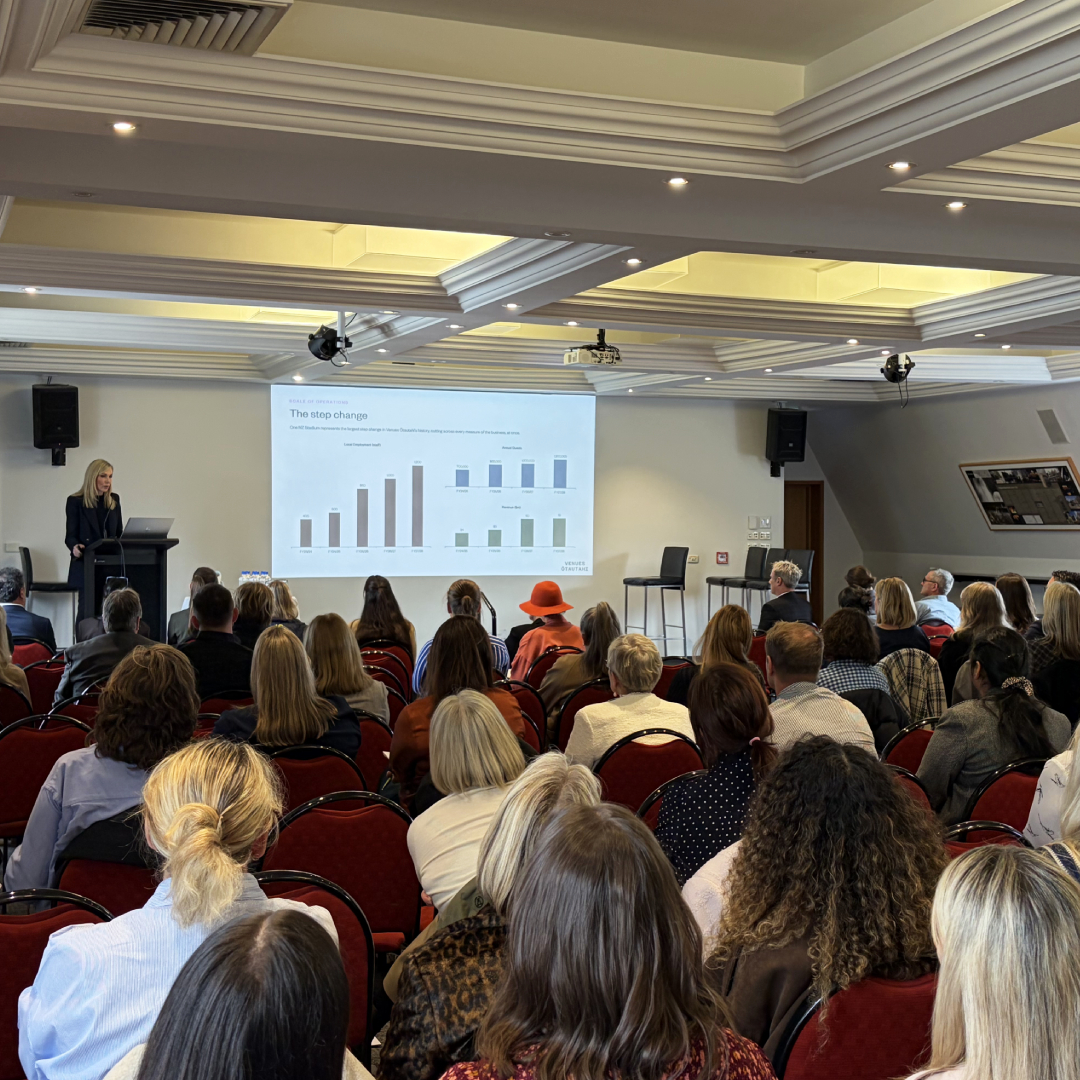
Caroline Harvie-Teare, Chief Executive of Venues Ōtautahi, shared the remarkable story of an organisation that has grown from 400 to more than 1,000 people in 12 months, with revenue rising from around $20 million to over $50 million following the opening of One New Zealand Stadium. Around 86% of the workforce is casual, and more than 60% are aged between 15 and 24.

Her philosophy is clear: "A great customer experience starts with a great employee experience." That's why Venues Ōtautahi recruits on values and attitude over technical skill, invests in online learning to reach a shift-based workforce, and expects its leaders to be on the floor during events, rather than watching from a corporate suite. If leaders don't understand what their teams do, she explained, they can't lead them.

Caroline was honest about the challenges of rapid growth, including change fatigue and the lingering "survival mode" mindset left by the earthquakes and COVID-19. "Rapid growth isn't going to come without its growing pains, and it's really important that we respond to that and not leave it too late."

She also spoke with pride about the organisation's local impact, with most food and contractors sourced from Canterbury, and summed up the culture she's building in one line: "We want to be good to do business with, we want to be good to spend time with."

The power of possibility

The final panel, moderated by EQ's Craig Atkinson, brought together Sarah Munro, General Manager of Matatū Rugby, Ben Reed, Managing Director of Hamilton Jet, and independent director Bruce Irvine to explore innovation, courage and risk.

Sarah described Matatū's decision to launch as a standalone women's rugby club rather than a sister club to a men's brand, despite plenty of naysayers. This year, the club drew nearly 12,000 people to One New Zealand Stadium, smashing the previous domestic record. "The power of possibility is seeing possibility where others see limitations," she said. For Sarah, high performance on the field comes down to every player "feeling like you belong and that you're safe in this place and that your voice matters."

Ben reflected on how much of any career comes down to the opportunities we say yes to. "Pretty well everybody's career is 50% chance, and it's the chances that you take that are often the deciding factors." He shared how Hamilton Jet recognised its strength in systems integration and used it to move into hybrid and electric marine propulsion, now powering ferries on Auckland's harbour. On leading innovation, he was clear: "Hire good people and then get out of their way." The moment people feel they aren't trusted, he said, "they change, instantly. It's like a light switch."

He also had a strong message about AI: "Going slowly is an absolutely guaranteed way of failing." His recommended approach is to test and learn, encouraging people to experiment within secure environments.

Bruce defined possibility as "having a dream, being aspirational about that, understanding the risk, and then delivering on it." A self-confessed risk taker, he explained that once he commits to a risk, he spends far more time mitigating it than he did making the original decision. One of his stories captured the spirit of the whole day: faced with an ageing workforce at a fresh produce business, he suggested a graduate programme. People thought he was mad. Ten years and around 80 graduates later, the average age of the workforce has dropped from the late fifties to the mid-forties, 450 people applied for eight places this year, and the long-serving team members who once felt threatened now take pride in mentoring the next generation.

Five ideas to take back to your team

Across a full day of speakers and panels, a few ideas kept coming back:

  1. Your response is always a choice. You can't control every circumstance, but you can choose where you put your attention and how you respond.
  2. Culture is shaped by what leaders tolerate. Clear expectations and courageous conversations build the trust that high performers need.
  3. Fix the process before you automate it. AI creates value when it's paired with redesigned work and capable, engaged people.
  4. Ask, don't assume. From flexible roles for experienced staff to new ways of working, the best solutions come from honest conversations with your people.
  5. Possibility needs courage and a plan. Take the chance, then put the work into managing the risk.


Thank you

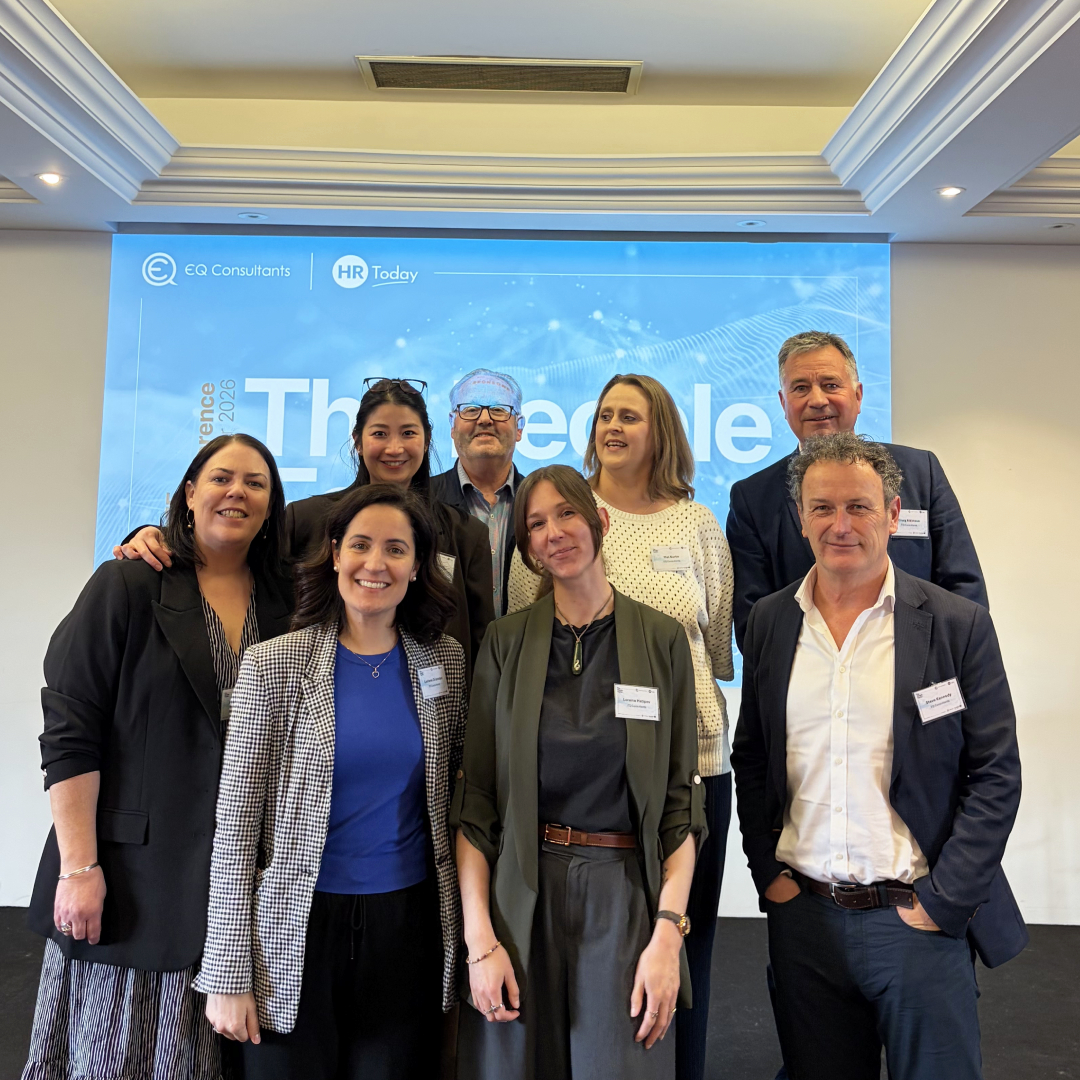
A huge thank you to our speakers and panellists, many of whom are clients and friends of EQ, for generously sharing their time, stories and expertise.

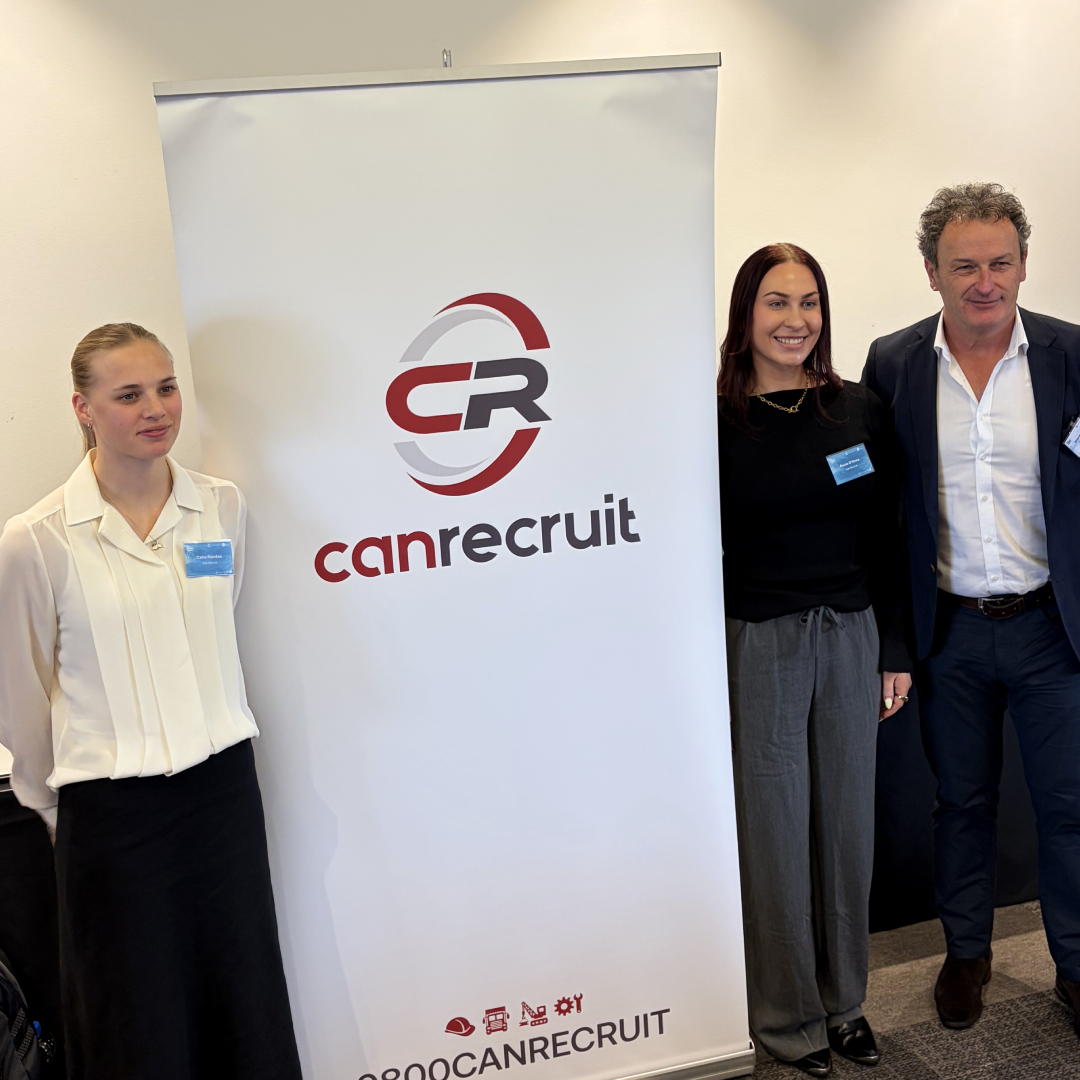
Thank you also to our sponsors for helping make the day possible: Business IT, powered by Kaseya, our main sponsor; CanRecruit, Amicus Insurance Brokers and Amicus Insurance & Investments for sponsoring our opening keynote with Dr Lucy Hone; CanRecruit, our networking drinks sponsor; and Quad Eatery, Commodore Hotel, Millbrook Queenstown and Christchurch Casino, our prize sponsors. And thank you to everyone who joined us on the day.

At the opening, Steve mentioned that someone had asked whether, after two years in a row, EQ had accidentally created an annual event. Judging by the energy in the room, we think that the answer might be yes.

The conversations from The People Factor do not end when the conference does. They are the same conversations we are having with business owners and leaders every day - how to build stronger teams, develop leaders, manage change, improve performance and prepare organisations for what's next. If something from the day prompted a conversation about your own organisation, we'd be very happy to continue it.


About EQ Consultants

Better businesses are built through their people.

At EQ Consultants, we work alongside business owners, boards and senior leaders across New Zealand to help them build stronger organisations through their people.

Our work spans the full people lifecycle, from finding and attracting the right people, through to structuring organisations effectively, developing leaders, building high-performing teams and creating strong workplace cultures. And when things become more complex, we provide experienced support to manage employment relations, organisational change, workplace investigations, performance issues and employment-related risk.

We bring together expertise across four key areas:

  • People & HR: practical HR and employment relations advice, employment documentation, performance management and ongoing people support.
  • Recruitment & Talent: helping businesses identify, attract and select the people they need to perform and grow.
  • Organisation & Performance: organisational reviews, structure and change, leadership development, culture, engagement and improving team performance.
  • Employment Relations & Risk: supporting businesses through complex employment matters, investigations, restructures, personal grievances, mediation and other workplace issues.
    Our approach is practical and commercially focused. We understand that people decisions don't sit in isolation, they affect performance, productivity, culture, risk and ultimately business results.

Whether there is an immediate people challenge to work through, a key appointment to make, or an opportunity to improve how your organisation is structured and performing, we'd be happy to have a conversation.

Find out more at www.eqconsultants.co.nz

And if you'd like to keep up with our thinking, insights and events, follow EQ Consultants, Steve Kennedy and Amy Lawson on LinkedIn.

Thanks again to everyone who joined us, contributed to the day and helped make The People Factor 2026 what it was. We look forward to seeing you again in 2027.


Steve Kennedy & Amy Lawson
Directors
EQ Consultants


Back to Articles